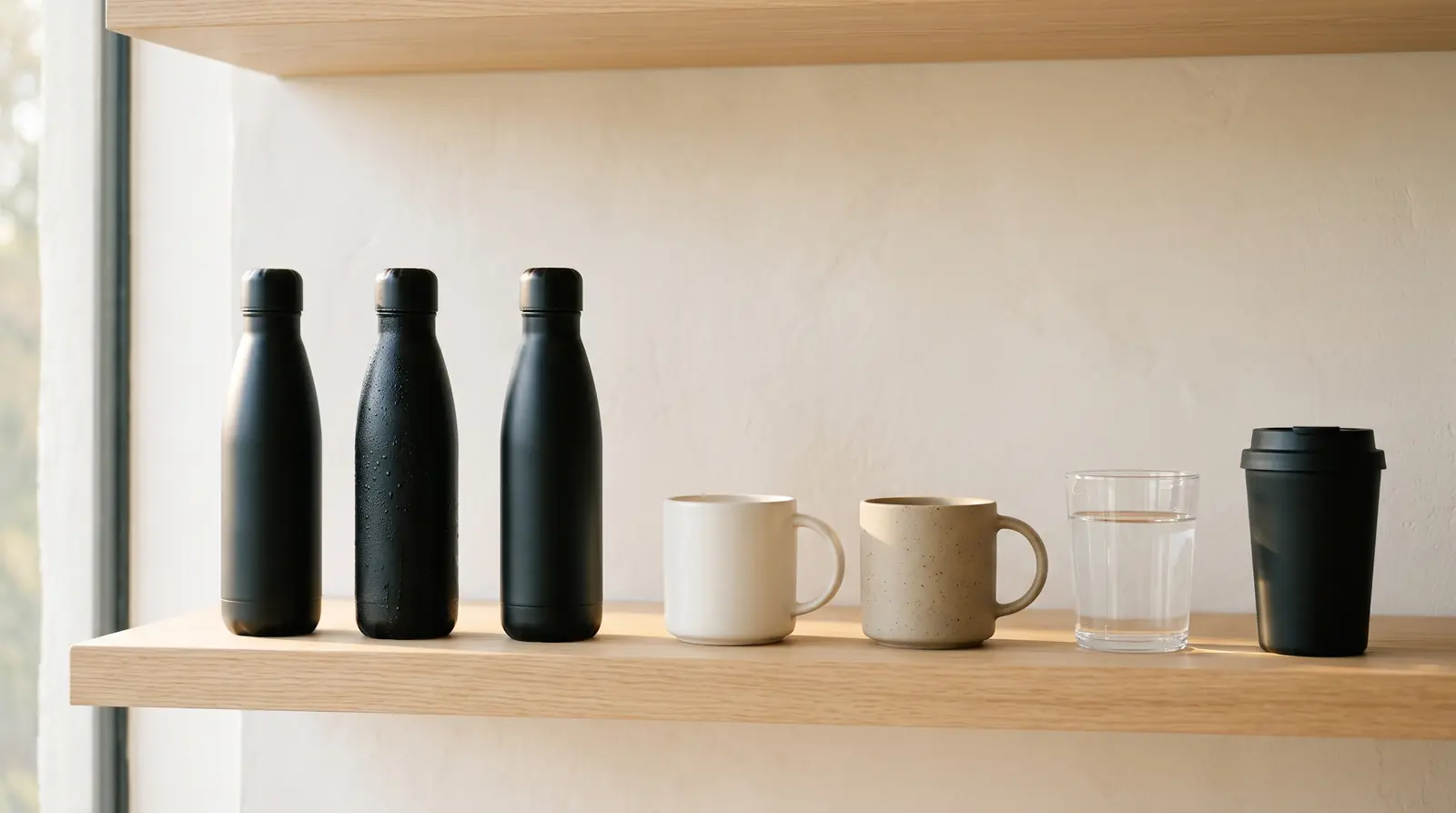
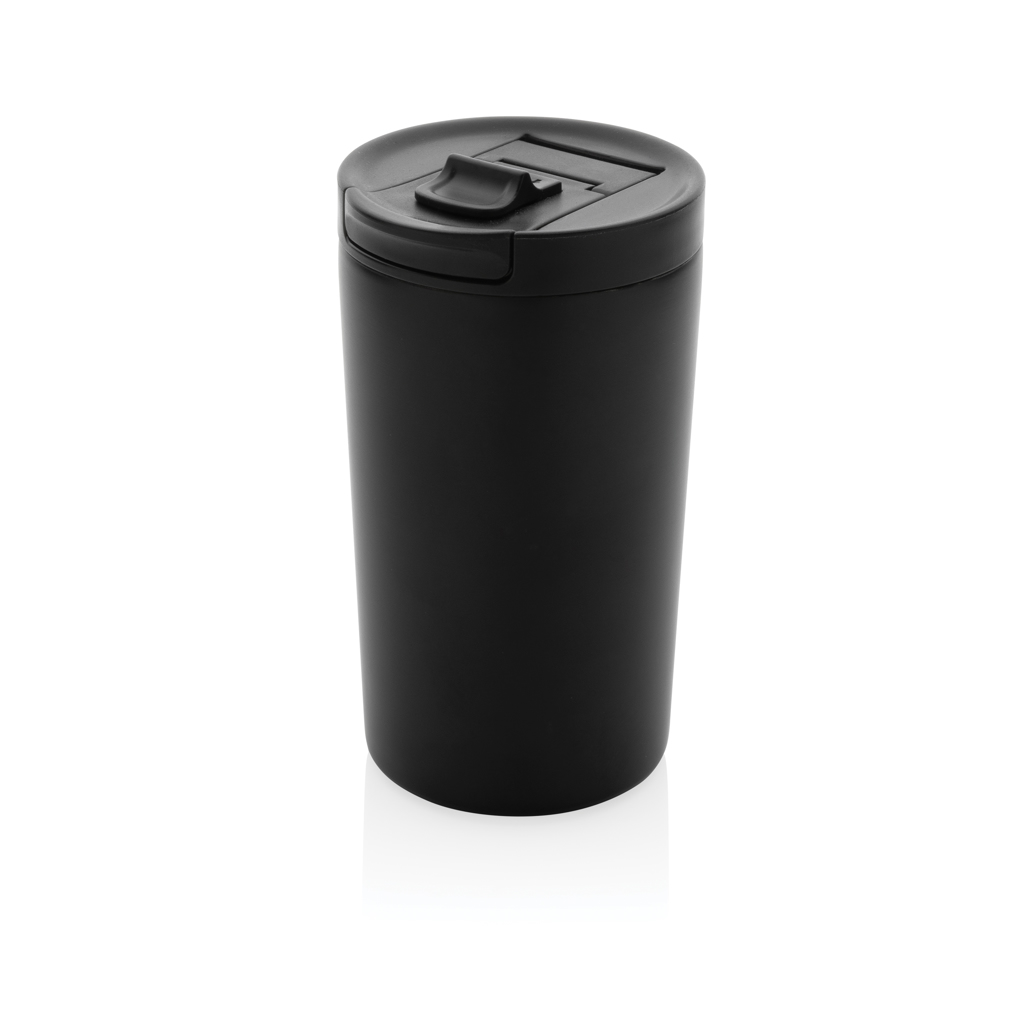
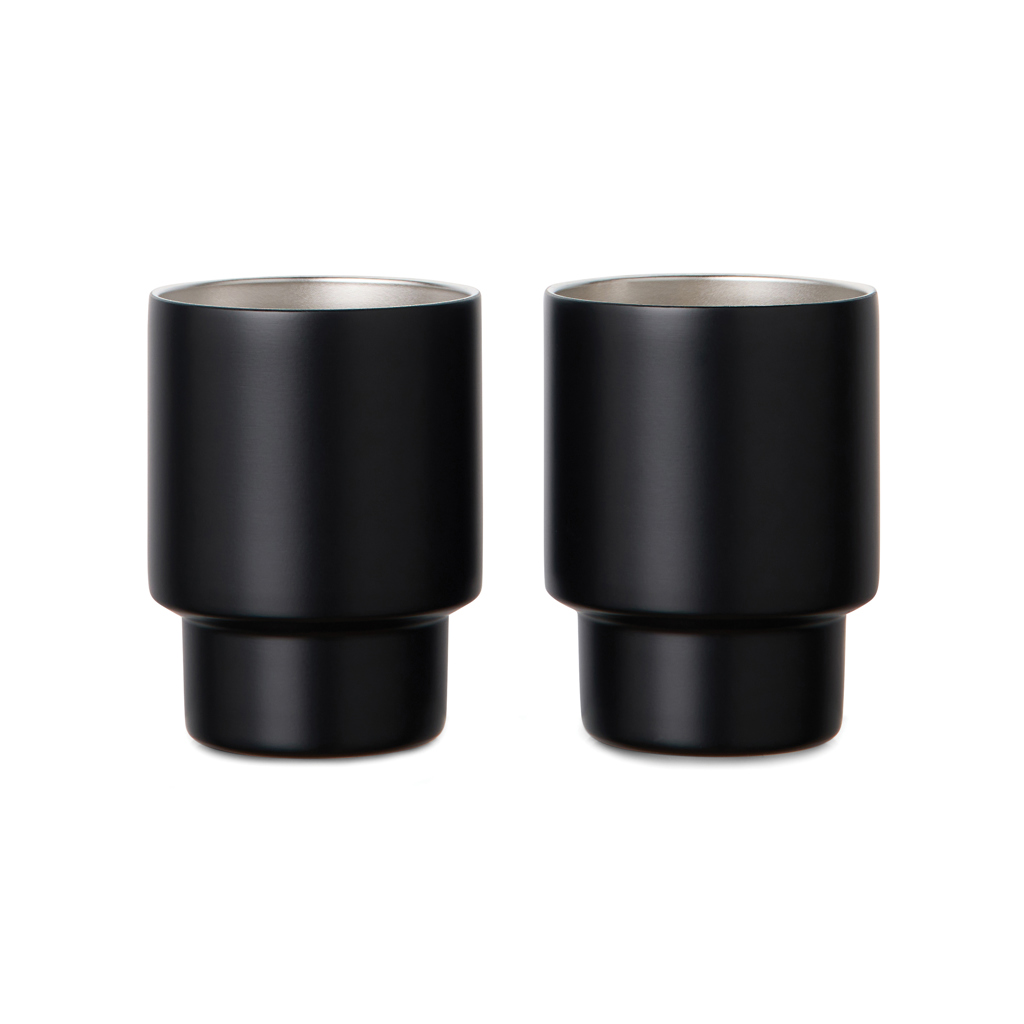
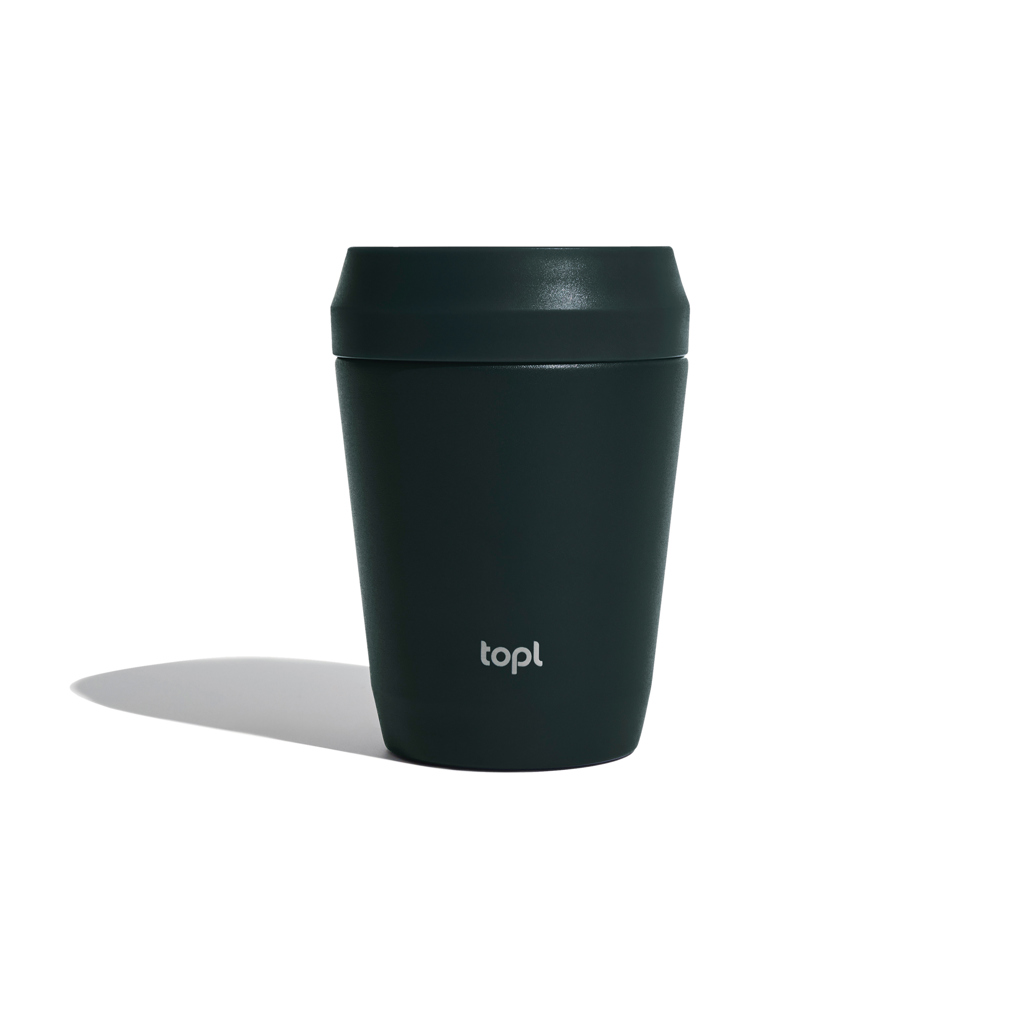
Thermal and takeaway cups
Bottles, mugs and thermal cups. The most requested category in the catalogue, because it's the most used: a bottle ends up on the table at every meeting of the year.
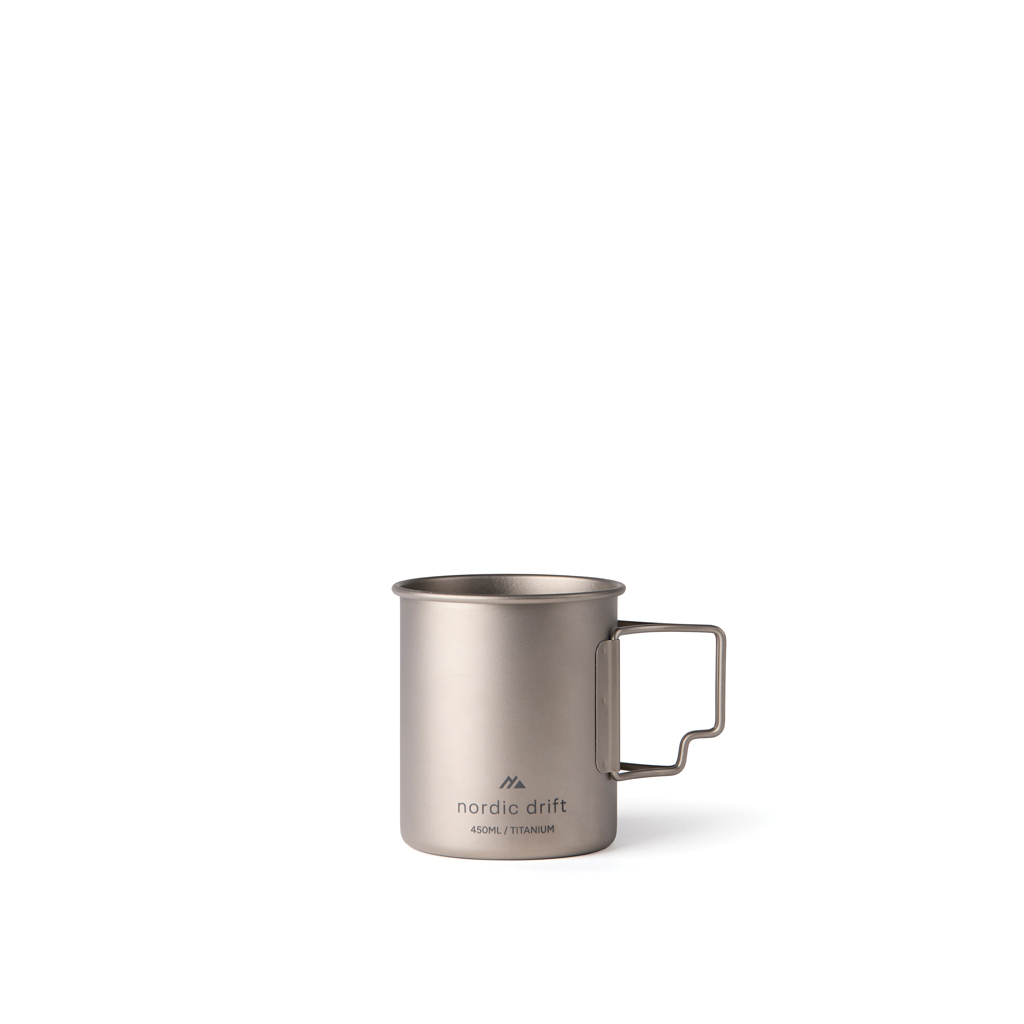
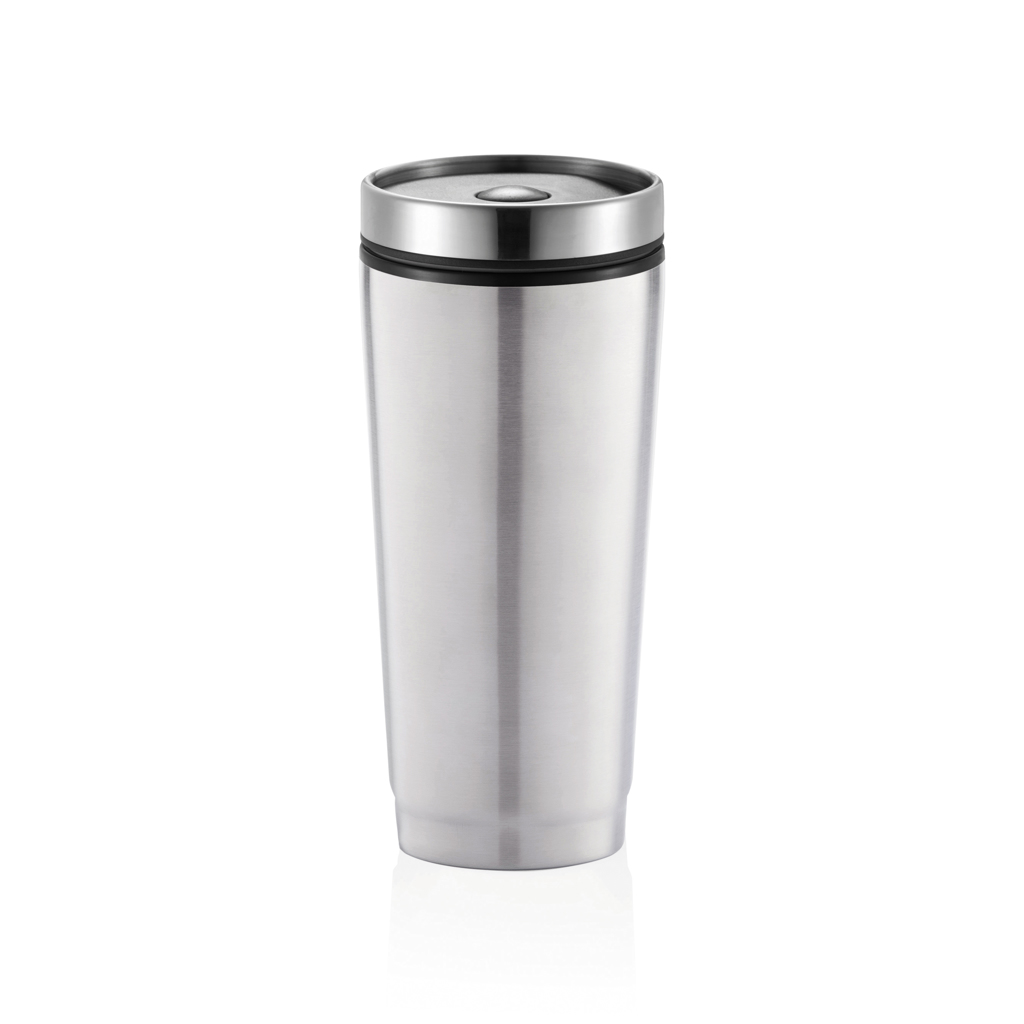
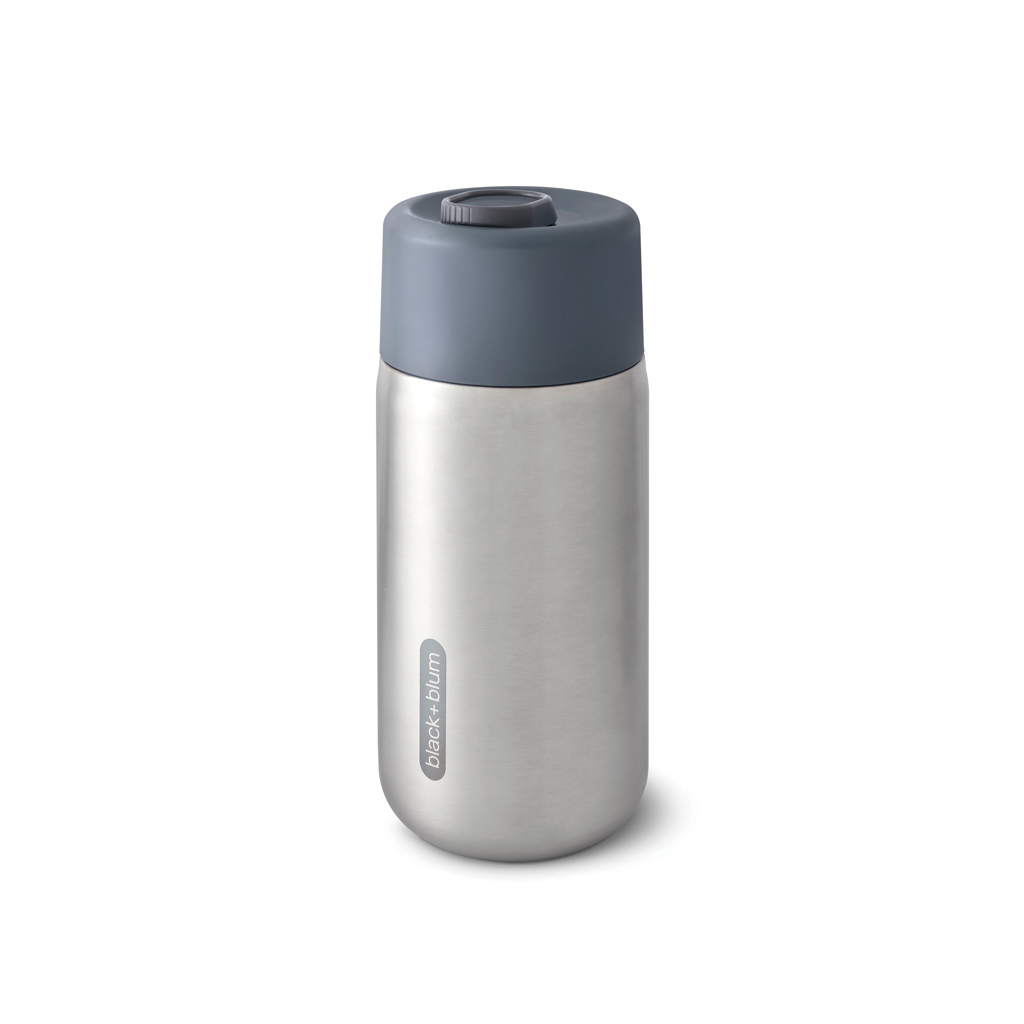
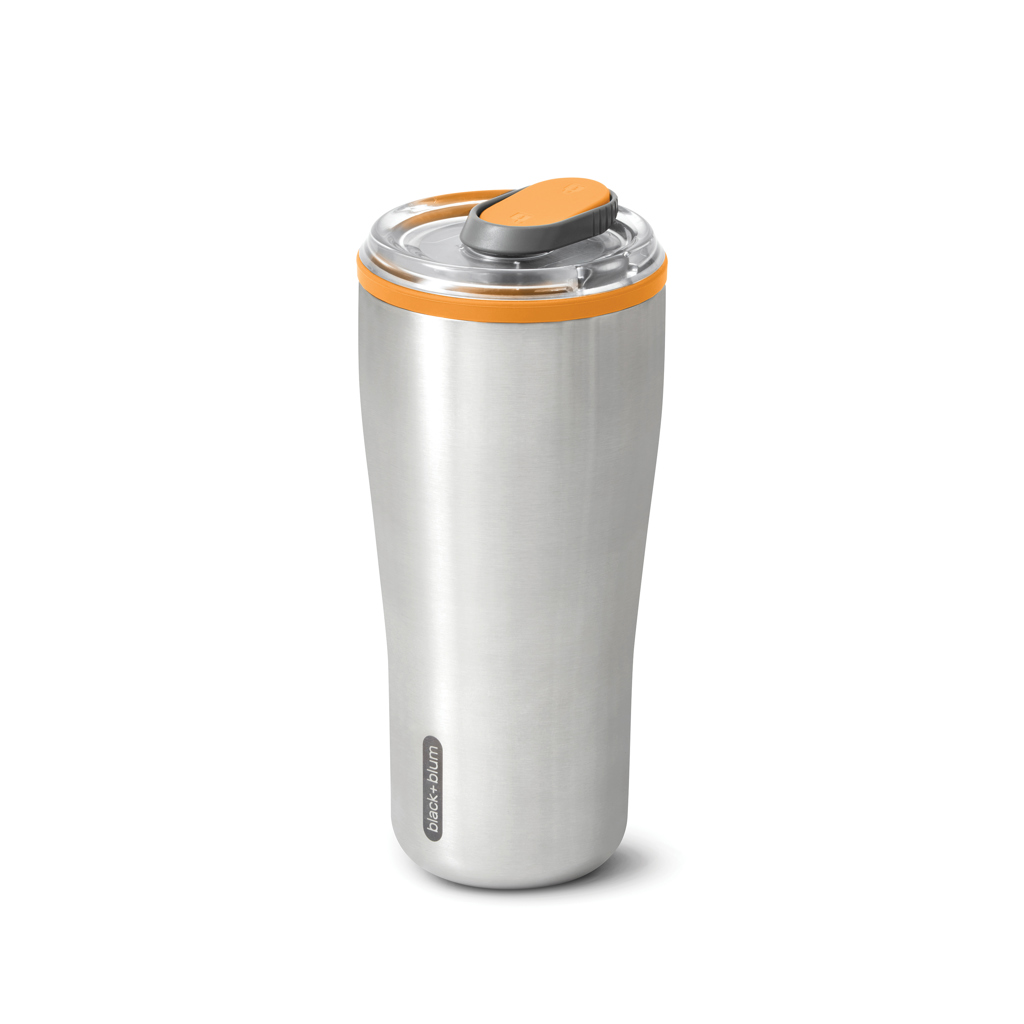
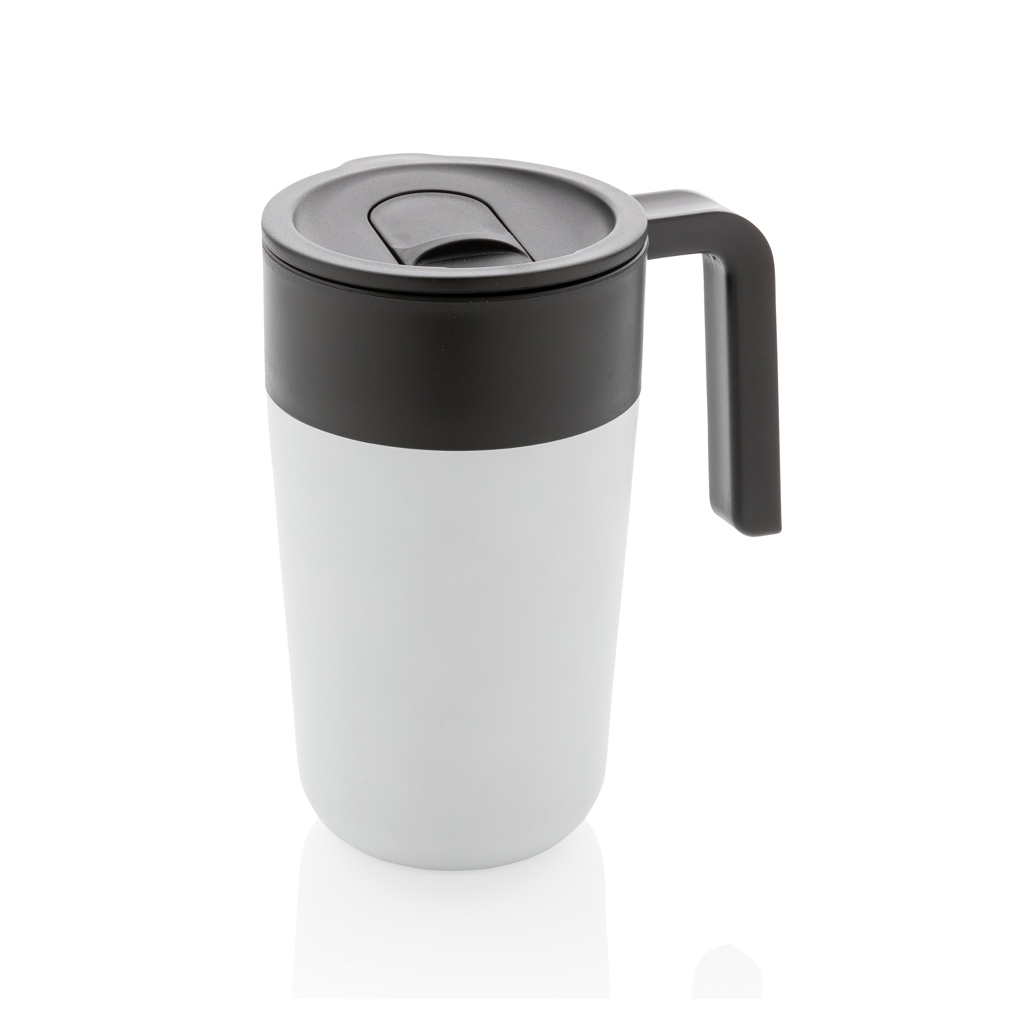
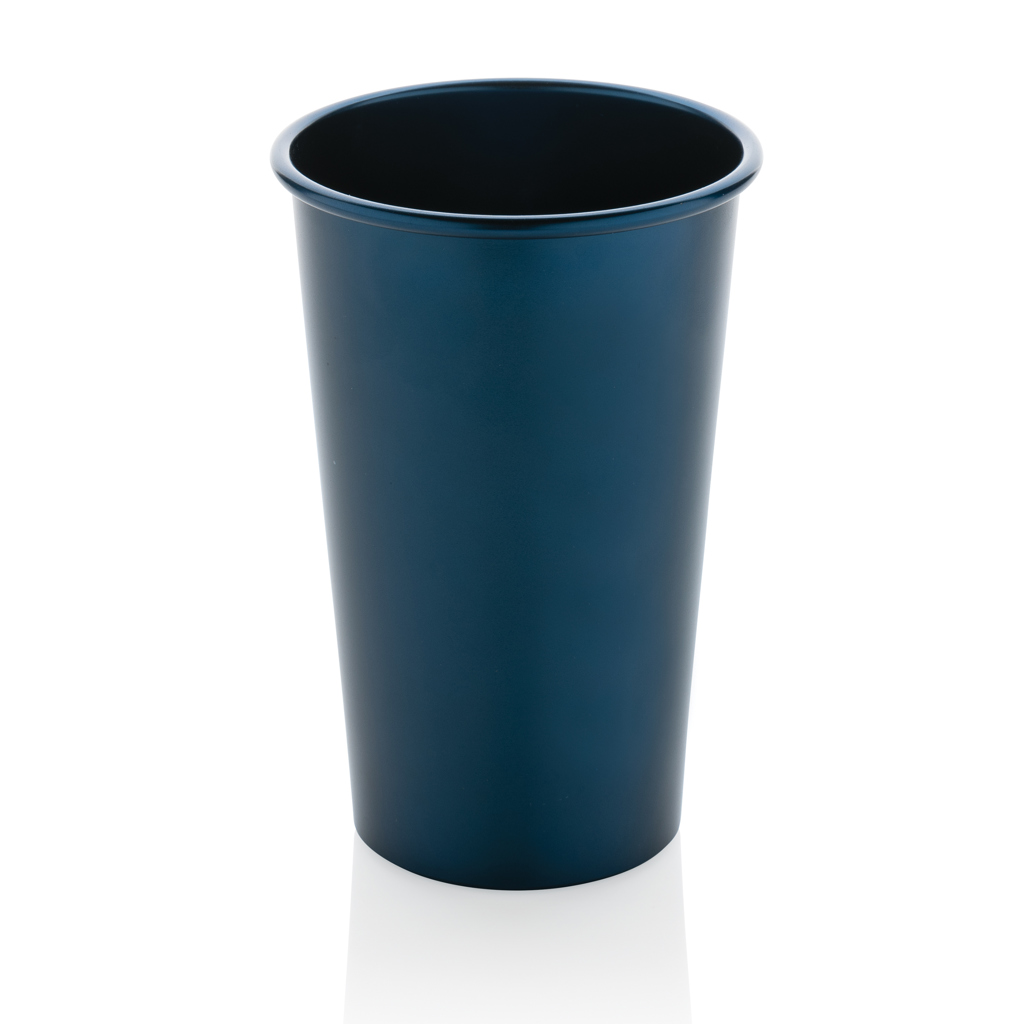
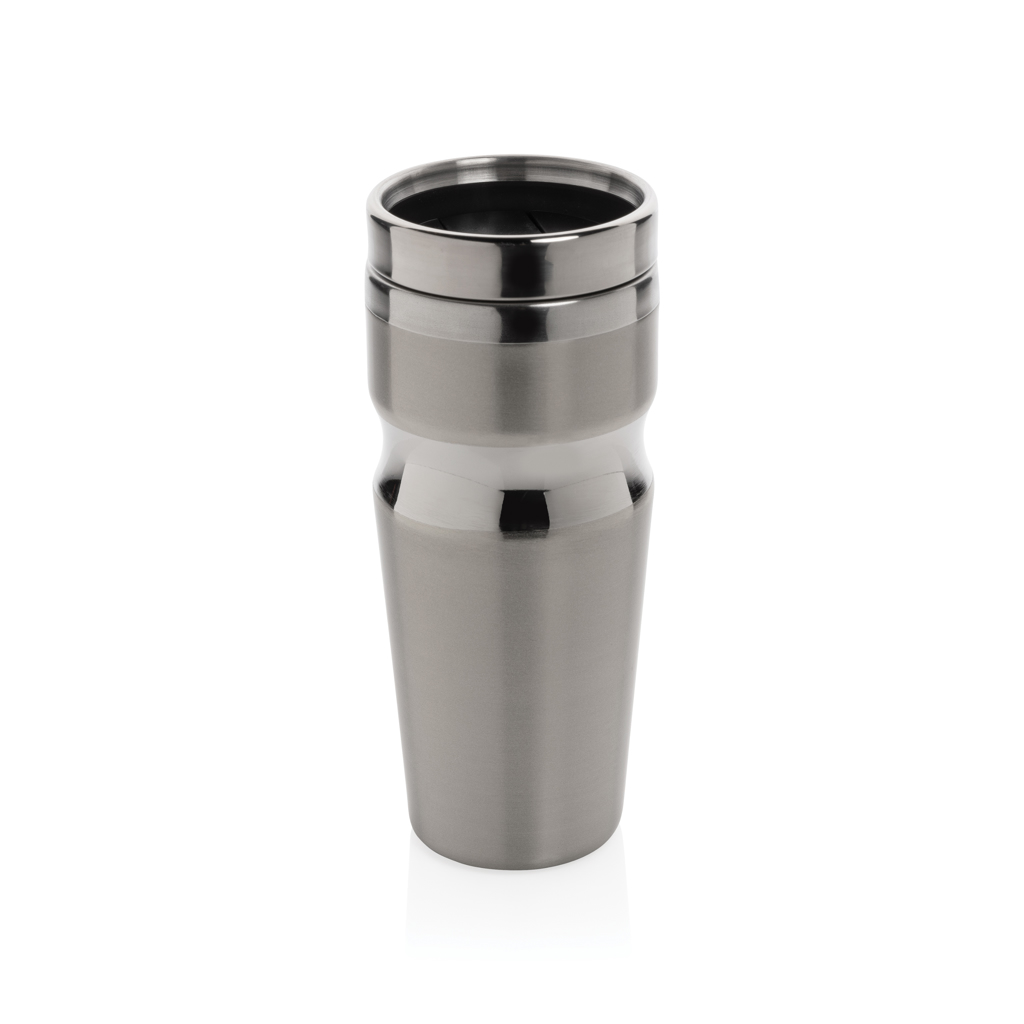
Our Selection Process
You notice the steel by the second sip.
The difference between a bottle that keeps cold for eight hours and one that loses it in two is in the vacuum between walls, not the price. We request the technical sheet with the actual hours of preservation and compare it with what the catalogue promises.
- 18/8 stainless steel, not unnamed alloys
- Declared and verified cold and heat hours
- BPA-free plastic lids
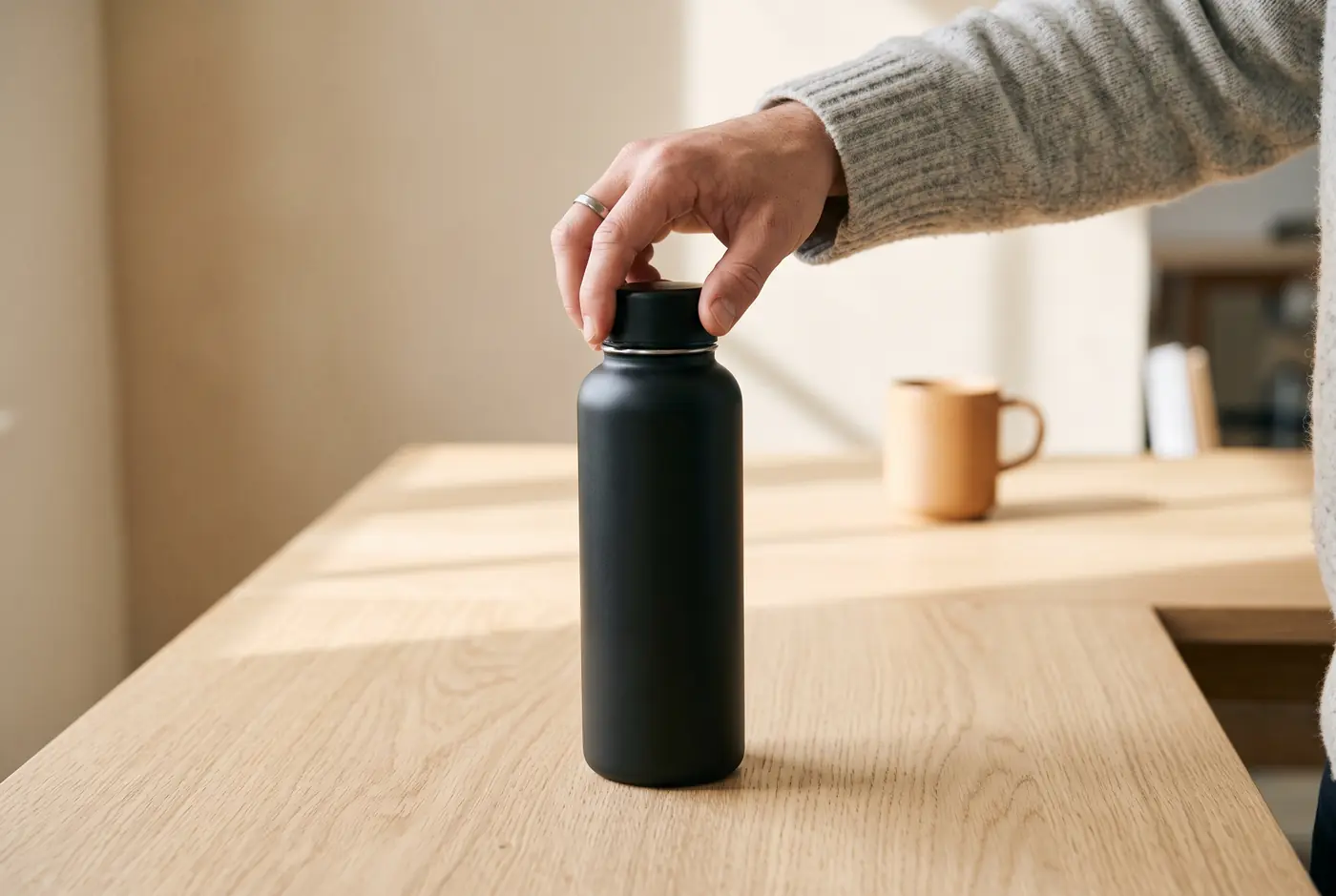
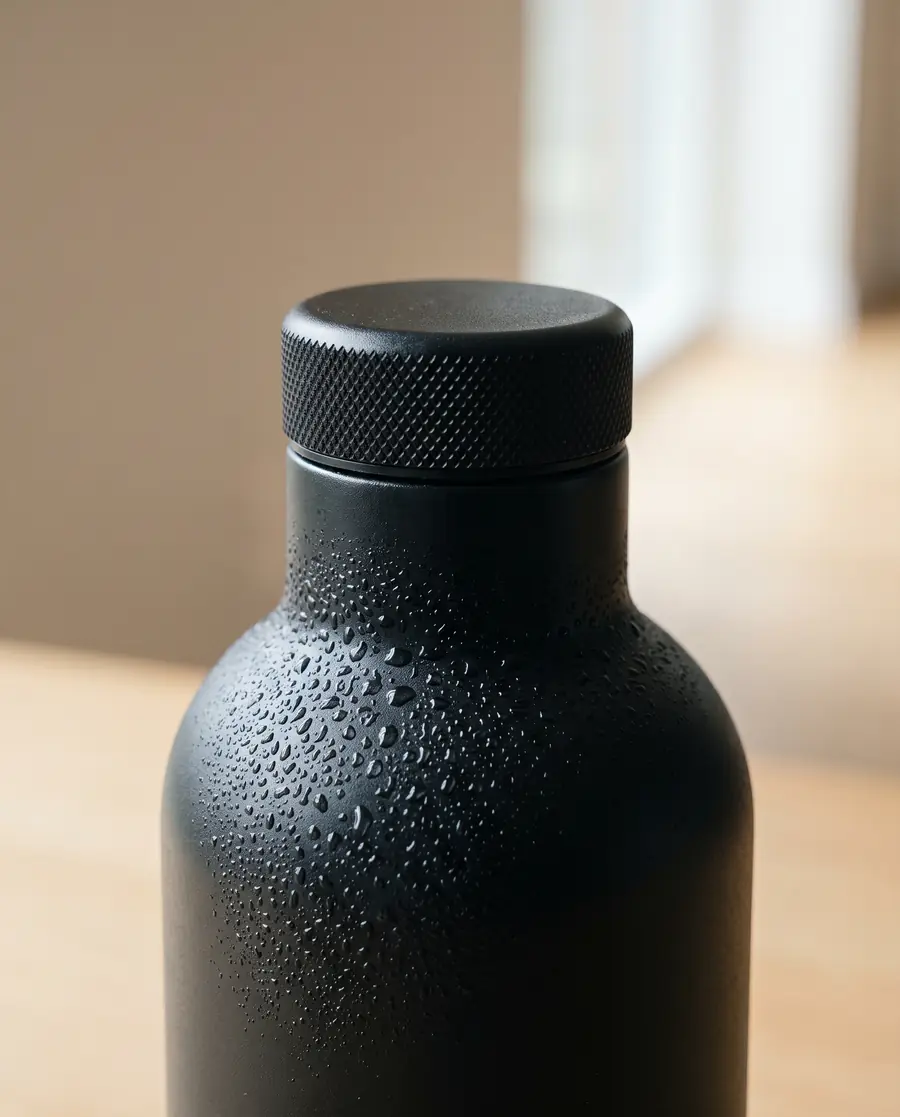
Thermal and takeaway cups: the entire catalogue is branded in Europe, with delivery within the timeframe we agree with you.
The Detail
The engraving doesn't wash off in the dishwasher.
On steel, the laser leaves the mark in the metal itself. It's more understated than screen printing and survives daily use.
FAQ
Frequently asked questions about Drinkware
If yours is not here, write to us. People answer, not an automatic form.
Single-wall or double-wall bottle?
How many hours does a thermal bottle keep drinks cold and hot?
Does the logo on a personalised bottle or mug survive the dishwasher?
What materials do we look at in a reusable bottle?
What's the first thing to break on a bottle?
Expanded catalogue
Can't find what you're looking for?
We publish a selection. We work with several European manufacturers and can source a specific item, a colour that's not listed, or a large quantity with a fixed delivery date.